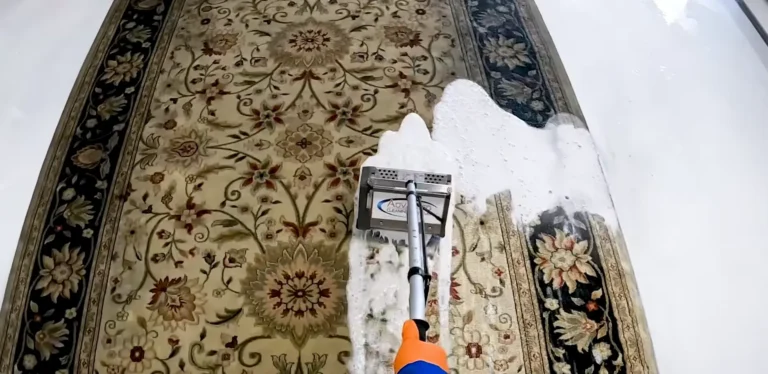
You just got your carpets cleaned. The house smells fresh, looks brighter, and everything feels new again. But then the real question hits you:
How long is this going to stay wet?
Because let’s be honest, nobody enjoys walking on damp carpet or worrying about shoes, pets, or kids ruining the fresh, clean.
In most homes, the drying time for carpet is not a fixed number. It changes depending on the method, weather, airflow, and even the thickness of the carpet. Some carpets dry in a few hours. Others can take most of a day.
And here’s what surprises most people…
It’s not the cleaning that takes time, it’s the drying that decides how your home actually feels after the job is done.
If you’ve ever noticed a slightly damp smell, delayed drying in winter, or fast drying in summer, you’ve already seen how many factors are involved.
In this guide, we’ll break everything down in simple terms:
- Real drying times (not guesswork)
- What affects drying speed in real homes
- Mistakes that slow it down
- And how to make carpets dry faster without damage
By the end, you’ll know exactly what to expect after carpet cleaning and how to avoid the most common post-cleaning problems homeowners face.
Average Carpet Drying Time (Real World Breakdown)
How long does carpet take to dry after cleaning in normal homes?
In most homes, carpet drying usually takes anywhere between 4 and 24 hours, but the exact time depends heavily on the cleaning method, room conditions, and airflow.
There is no single fixed number that applies to every situation. Two identical homes can have completely different drying times just because of ventilation or weather.
Let’s break it down in a simple way so you know what actually happens in real life.
Hot water extraction (steam cleaning)
This is the most common professional method.
Typical drying time:
6 to 12 hours on average
In some cases, it can take up to 24 hours if:
- The carpet is very thick
- The weather is cold or humid
- The room has poor airflow
This method uses water for deep cleaning, so moisture naturally takes time to evaporate from the fibers.
Low moisture or dry cleaning methods
Typical drying time:
1 to 4 hours
These methods use less water and more cleaning compounds or encapsulation techniques.
They dry faster but may not always remove deep buildup as effectively as steam cleaning.
DIY home cleaning
Drying time:
6 to 24 hours or more
Most DIY machines do not extract water as strongly as professional equipment. That leaves more moisture inside the carpet, which slows down drying.
What most people don’t realize
Here’s the truth: most guides don’t explain clearly:
Drying time is not just about the carpet. It is about the environment around it.
Even a perfectly cleaned carpet can stay damp longer in the wrong conditions.
Simple real-world example
Two homes get cleaned the same day:
Home A:
- Windows open
- Fans running
- Dry weather
Carpet dries in 6–8 hours
Home B:
- Closed rooms
- No airflow
- Humid weather
Carpet takes 18–24 hours
Same cleaning. Completely different results.
Key takeaway
If someone tells you a fixed drying time like “always 6 hours” or “always 24 hours,” that’s unrealistic.
A better way to think about it is:
Most carpets dry within the same day, but the environment decides how fast that happens.
What Actually Affects Carpet Drying Time
Why do some carpets dry fast while others stay wet for hours?
Carpet drying time depends on a combination of the amount of water, airflow, carpet type, and weather conditions. Even the same cleaning method can produce very different results in two homes. The biggest factors are ventilation, humidity, carpet thickness, and the amount of moisture used during cleaning.
Most homeowners assume it’s only about the cleaning machine, but in reality, the environment plays a much bigger role.
1. Airflow inside the room
Air movement is the number one factor.
When air circulates properly:
- Moisture evaporates faster
- The damp smell disappears quickly
- Carpet feels dry within hours
When air is stagnant:
- Moisture gets trapped
- Drying slows down significantly
- Carpet can stay damp overnight
Even simple actions like opening windows or using a fan can cut drying time in half.
2. Humidity and weather conditions
Humidity directly affects evaporation.
In dry weather:
- Carpet dries faster
- Moisture leaves fibers easily
- Rooms feel fresher sooner
In humid weather:
- Air already contains moisture
- Evaporation slows down
- Drying can take much longer
This is why carpets often dry faster in summer and slower in rainy or cold seasons.
3. Carpet thickness and material
Not all carpets behave the same.
Thick carpets:
- Hold more water
- Take longer to dry
- May feel damp underneath even when the surface feels dry
Thin or low-pile carpets:
- Dry much faster
- Release moisture easily
Wool carpets can also retain moisture longer than synthetic fibers.
4. Amount of water used during cleaning
This is a major hidden factor.
More water means:
- Deeper cleaning
- But a longer drying time
Less water means:
- Faster drying
- But sometimes lighter cleaning results
Professional cleaners usually balance water use based on the carpet’s condition.
5. Temperature of the room
Warm air helps dry.
Warm rooms:
- Speed up evaporation
- Reduce damp smell
- Improve airflow efficiency
Cold rooms:
- Slow down the drying process
- Keep moisture longer in fibers
This is why carpets often take longer to dry during the winter months.
Simple real-world understanding
Carpet drying is not one fixed process. It is a combination of:
- Water inside the carpet
- Air around the carpet
- And how fast that air can carry moisture away
If one of these slows down, the whole process slows down.
Key takeaway
Carpet drying time is not random. It is predictable once you understand the environment. Most delays are not caused by cleaning itself but by poor airflow and humidity conditions inside the home.
How Different Carpet Cleaning Methods Change Drying Time
Why does the cleaning method affect how long the carpet stays wet?
Different carpet cleaning methods use different amounts of water, pressure, and extraction power, which directly changes drying time. The more water used and the less it is extracted, the longer the carpet will stay damp. Some methods are designed for deep cleaning, while others are designed for faster drying.
Understanding this helps you know what to expect before and after a cleaning visit.
1. Hot water extraction (steam cleaning)
This is the most common professional method used in homes.
What happens:
- Hot water is injected deep into carpet fibers
- Dirt and buildup are loosened
- Water is then extracted using strong suction
Drying time:
Usually 6 to 12 hours, sometimes up to 24 hours
Why does it take longer?
Because it uses more water to reach deep layers of the carpet.
Real-world note:
This method provides the deepest clean, but drying afterward depends heavily on airflow and room conditions.
2. Low moisture cleaning
This method uses less water and more cleaning compounds or foam-based solutions.
What happens:
- Minimal water is applied
- Dirt is lifted using encapsulation or foam
- Moisture is very limited
Drying time:
Around 1 to 4 hours in most cases
Why does it dry faster?
Less water is introduced into the carpet from the start.
Trade-off:
It is faster but may not remove deep soil as effectively as hot-water extraction.
3. Dry carpet cleaning (compound-based)
This method uses almost no water.
What happens:
- Cleaning powder or compound is spread
- It absorbs dirt and debris
- Then it is vacuumed out
Drying time:
Usually under 1 hour
Why it’s fast:
Because there is almost no moisture involved.
Limitations:
Best for light cleaning or maintenance, not heavy stains or deep buildup.
4. DIY rental machines
These are commonly used by homeowners.
What happens:
- Water is sprayed into the carpet
- Basic suction removes part of it
Drying time:
6 to 24 hours or more
Why is drying slower?
Most rental machines do not extract water as efficiently as professional equipment, leaving more moisture behind.
Simple comparison table
| Method | Cleaning Depth | Drying Time |
| Hot water extraction | Deep | 6–24 hours |
| Low moisture cleaning | Medium | 1–4 hours |
| Dry cleaning | Light | Under 1 hour |
| DIY machines | Medium to light | 6–24+ hours |
Key takeaway
The method used is one of the biggest factors in drying time. More water usually means deeper cleaning but slower drying. Less water means faster drying but lighter results.
What Happens Inside Carpet Fibers While They Dry
Why does carpet feel damp for hours even when it looks dry?
Carpet drying is not just surface evaporation. Moisture sits deep within the fibers and backing layer, slowly rising until it fully evaporates. That is why carpets can look dry on top but still feel slightly damp underneath for hours.
Understanding this process helps you know what is normal and what is not.
1. Surface drying happens first
Right after cleaning, the top layer starts drying quickly.
What you notice:
- The carpet looks less wet within 1–2 hours
- Surface feels slightly dry
- The room starts to feel normal again
But this is only the visible layer.
2. Deep moisture moves upward slowly
Below the surface, water is still trapped in:
- Carpet fibers
- Backing material
- Padding (in some cases)
This moisture slowly moves upward through evaporation.
That is why carpet can still feel damp even when it looks fine.
3. Airflow pulls moisture out of fibers
This is where ventilation becomes important.
When air moves across the carpet:
- Moisture evaporates faster
- Drying becomes even and consistent
- Odors disappear more quickly
Without airflow, moisture gets “stuck” inside the carpet layers.
4. Why carpets sometimes feel cool during drying
Many people notice this but do not understand it.
A damp carpet often feels cooler because:
- Evaporation pulls heat from the surface
- Moisture is still actively leaving the fibers
- The carpet is not fully dry yet
This is a normal part of the drying process.
5. What slows this process down
Drying becomes slower when:
- Air is not moving
- Humidity is high
- The carpet is very thick
- Padding underneath is wet
In these cases, moisture takes longer to fully escape.
Simple real-life example
Think of a wet towel.
- It looks dry on the outside first
- But inside, it stays damp for much longer
- It only fully dries when air passes through it
Carpet behaves in the same way, just on a larger scale.
Key takeaway
Carpet drying is a layered process. The surface dries quickly, but deeper moisture takes time to leave the fibers. Proper airflow is what completes the process, not just time alone.
How Different Types of Carpet Change Drying Time
Why does carpet material matter so much after cleaning?
Carpet drying time is heavily influenced by the type of fiber, thickness, and construction. Some carpets release moisture quickly, while others hold water deep inside their layers for much longer. This is one of the most overlooked reasons why drying time varies from home to home.
Let’s break it down in real, practical terms.
1. Low-pile synthetic carpets (fastest drying)
These are common in modern homes and rentals.
Typical drying time:
4 to 8 hours
Why do they dry faster?
- Short fibers hold less water
- Synthetic materials do not absorb moisture deeply
- Air reaches the base more easily
Real-world note:
These carpets are often found in apartments and high-traffic rental properties because they are easier to maintain.
2. Medium-pile carpets (average drying time)
This is the most common type in family homes.
Typical drying time:
6 to 12 hours
What happens:
- Moderate water absorption
- Some moisture stays in the mid-layer
- Drying depends heavily on airflow
Most homes fall into this category, so this is the “standard” drying range people experience.
3. High-pile or plush carpets (slow drying)
These feel soft and thick underfoot.
Typical drying time:
12 to 24 hours
Why do they take longer?
- Dense fibers trap more water
- Moisture reaches deeper layers
- Air struggles to circulate inside the fibers
Real-world observation:
These carpets often feel “slightly damp” longer, even when the surface looks dry.
4. Wool carpets (slowest and most sensitive)
Wool is natural and highly absorbent.
Typical drying time:
12 to 24+ hours
Why:
- Natural fibers absorb moisture deeply
- Drying must happen slowly to avoid damage
- Over-wetting can affect texture if not handled properly
Important note:
Professionals usually reduce water usage on wool carpets to prevent over-saturation.
5. Carpet with thick padding underneath
Sometimes the carpet itself is not the issue.
If the padding underneath gets wet:
- Drying time increases significantly
- Moisture gets trapped below the surface
- Odor risk can increase if not dried properly
This is more common in homes with older carpet installations or heavy water usage.
Simple comparison
| Carpet type | Drying speed | Real-world behavior |
| Low-pile synthetic | Fast | Feels dry quickly |
| Medium-pile | Average | Standard household drying |
| High-pile plush | Slow | Holds moisture longer |
| Wool | Slowest | Needs careful drying |
| With wet padding | Very slow | Deep moisture retention |
Key takeaway
Carpet material plays a major role in drying time. The thicker and more absorbent the carpet, the longer it takes for moisture to fully escape. Most delays people notice are not problems they are simply the material’s natural behavior.
Common Mistakes That Make Carpets Dry Slower
Why does carpet sometimes take much longer than expected to dry?
Most slow-drying carpet situations are not caused by the cleaning itself, but by simple post-cleaning mistakes in the home environment. Things like poor airflow, excess water use, or covering the carpet too early can easily double the drying time without anyone realizing it.
Let’s go through the most common real-world mistakes.
1. Not opening windows or allowing airflow
This is the most common issue.
What happens:
- Moisture gets trapped in the room
- Air becomes stagnant
- Evaporation slows down significantly
Even small airflow changes can make a big difference. Without it, carpets stay damp much longer than necessary.
2. Turning off fans too early
Many people switch everything off right after cleaning.
Problem:
- Air stops moving
- Moisture has no direction to escape
- Drying slows down in the hidden layers
In real homes, keeping a fan running for a few hours often reduces drying time by several hours.
3. Walking on carpets too soon
This is very common in busy households.
What it causes:
- Fibers stay compressed while wet
- Moisture gets pushed deeper into the carpet
- Drying becomes uneven
Even if the surface feels slightly dry, internal moisture may still be present.
4. Placing furniture back too early
This is one of the most overlooked mistakes.
When furniture is placed on damp carpet:
- Airflow underneath gets blocked
- Moisture gets trapped in small areas
- Indent marks or moisture spots can form
Professionals usually recommend waiting until carpets are fully dry before rearranging furniture.
5. Over-wetting during cleaning
Sometimes, too much water is used during cleaning.
Why does this happen?
- Trying to remove deep stains
- Using rental machines without strong extraction
- Multiple passes in the same area
Result:
- Longer drying time
- Higher chance of a damp smell
- Slower evaporation from deeper layers
6. Closing doors and sealing rooms
After cleaning, many people close the rooms, thinking it will “help it settle.”
In reality:
- Air circulation stops
- Moisture gets trapped inside
- Drying becomes slower and uneven
Open airflow always performs better than closed spaces.
Key takeaway
Slow carpet drying is usually caused by simple habits after cleaning, not the cleaning process itself. Airflow, timing, and moisture handling are the real controlling factors.
How to Make Carpets Dry Faster Safely at Home
What can you actually do to speed up carpet drying?
Carpet drying can be significantly improved with simple airflow and moisture control techniques. You do not need special tools or chemicals. In most homes, small changes in ventilation and room setup reduce drying time by several hours.
Let’s go through practical, safe methods used in real homes.
1. Improve airflow immediately after cleaning
Air movement is the most important factor.
What to do:
- Open windows slightly if the weather allows
- Turn on ceiling fans or pedestal fans
- Keep room doors open for cross ventilation
Why it works:
Moving air helps moisture escape from carpet fibers faster. Without airflow, moisture just sits inside the material.
2. Use fans strategically, not randomly
Many people place fans without direction.
Better approach:
- Point fans across the carpet surface, not directly downward
- Create cross airflow from one side of the room to another
- Use multiple fans if possible in larger rooms
This creates continuous evaporation instead of trapped humidity.
3. Reduce indoor humidity
Humidity slows drying even if the airflow is good.
Simple steps:
- Avoid boiling water or cooking in nearby areas
- Do not run steam-heavy appliances in the same space
- If available, use a dehumidifier
Lower humidity = faster moisture release from fibers.
4. Lift carpet fibers gently after cleaning
This is a small but effective step.
What it does:
- Helps trapped water escape faster
- Improves airflow between fibers
- Prevents flat, damp patches
A simple rake-like carpet brush or even light brushing by hand can help in thicker carpets.
5. Avoid covering or blocking carpet areas
Common mistake:
Placing rugs, plastic sheets, or furniture too early.
Why does it slow drying?
- Blocks airflow completely
- Traps moisture underneath
- Creates uneven drying patches
Keep the carpet fully open until it is completely dry.
6. Use dry towels for light moisture absorption
If some areas feel wetter than others:
- Place clean, dry towels on damp spots
- Press gently (do not rub aggressively)
- Replace towels if they become damp
This helps pull out surface moisture faster.
7. Keep the temperature stable
Extreme temperature changes can slow evaporation.
Best conditions:
- Normal room temperature
- No sudden heating or cooling changes
- Consistent airflow environment
Stable conditions help moisture escape evenly.
Key takeaway
Fast carpet drying is not about rushing the process. It is about controlling airflow, humidity, and surface exposure. When these three factors are balanced, drying becomes much quicker and safer.
When Carpet Drying Takes Too Long and Warning Signs to Watch
When is slow drying normal, and when is it a problem?
Most carpets dry within a normal time range, depending on method and material, but unusually long drying can signal trapped moisture or ventilation issues. Knowing the difference helps you avoid odor, mold risk, and long-term carpet damage.
Let’s break it down in simple, practical terms.
1. What “normal” drying time looks like
In most homes:
- Light cleaning: 1 to 4 hours
- Standard professional cleaning: 6 to 12 hours
- Thick or wool carpets: up to 24 hours
If your carpet falls within these ranges, it is usually normal and safe.
2. Warning sign: carpet still damp after 24–48 hours
This is the first red flag.
Possible reasons:
- Too much water is used during cleaning
- Poor airflow in the room
- Thick padding underneath holds moisture
Why it matters:
Moisture sitting too long can create odor and bacterial growth inside fibers.
3. Warning sign: musty or “wet cloth” smell
This is one of the most common complaints.
What it indicates:
- Moisture is trapped in deep layers
- Air is not circulating properly
- Drying is incomplete in hidden areas
Important note:
This smell is not normal, “fresh cleaning odor.” It usually means drying is delayed.
4. Warning sign: carpet feels damp underneath but dry on top
This is a hidden issue that many people miss.
What is happening:
- Surface moisture has evaporated
- Deep moisture is still trapped in fibers or padding
This creates uneven drying and can lead to long-term issues if ignored.
5. Warning sign: discoloration or dark patches after cleaning
Sometimes carpets develop uneven spots while drying.
Possible causes:
- Moisture pooling in certain areas
- Furniture blocking airflow
- Over-saturation in specific sections
If these patches do not disappear after full drying, it may need professional inspection.
6. Warning sign: longer drying in only certain rooms
If only one room stays wet longer:
This usually points to:
- Poor ventilation in that room
- Closed doors trapping humidity
- Thicker carpet or padding in that area
It is often a room-specific airflow issue, not a full-home problem.
Key takeaway
Slow drying becomes a concern only when moisture stays trapped beyond normal timeframes or creates odor. Most issues are airflow-related, but ignoring them can lead to long-term carpet damage.
Final Summary And Simple Rules For Safe Carpet Drying
What should you remember about carpet drying time?
Carpet drying is not fixed. It depends on the cleaning method, carpet type, room conditions, and how the home is managed after cleaning. Most of the delays people worry about are normal, but they can be managed with simple habits.
If you understand a few basic rules, you can avoid most drying problems completely.
1. Drying time always depends on 4 main factors
In every home, carpet drying is controlled by:
- How much water was used during cleaning
- Type and thickness of carpet
- Airflow inside the room
- Humidity and temperature conditions
If one of these is off, drying slows down automatically.
2. Surface dryness does not mean fully dry
This is the most misunderstood point.
What people see:
- The carpet looks dry on top
- The room feels normal again
What is actually happening:
- Moisture is still inside the fibers
- Padding may still be damp
- Evaporation is still ongoing
Real drying is always deeper than what you can see.
3. Airflow is the biggest control factor
If you remember only one thing, remember this.
Good airflow:
- Speeds up evaporation
- Prevents odor buildup
- Helps even drying across the carpet
No airflow:
- Traps moisture
- Slows drying significantly
- Increases the risk of a damp smell
4. Every carpet type behaves differently
There is no single drying time for all carpets.
Simple rule:
- Thin synthetic carpets dry fastest
- Thick or wool carpets take longer
- Carpets with padding take the longest
Knowing your carpet type helps set realistic expectations.
5. Most problems come from post-cleaning habits
Not the cleaning itself.
Common issues:
- Closing windows too early
- Walking on carpet while wet
- Placing furniture back too soon
- No fans or ventilation
Small mistakes can easily double drying time.
6. Safe drying is about patience, not speed
Trying to rush drying often causes problems.
Better approach:
- Let airflow do the work
- Keep the room open
- Avoid covering or blocking the carpet
Carpet dries best when it is left undisturbed.
Simple final rule to remember
If air can move freely through the room, the carpet will dry normally. If air is trapped, drying slows down.
That is the simplest way to understand the entire process.
Closing insight
Carpet drying is not just a technical process. It is a balance between water, air, and time. Once you understand that balance, you stop worrying about “exact hours” and start focusing on the environment that controls those hours.
That is what makes the biggest difference in real homes.
Conclusion
Carpet drying after cleaning is usually straightforward once you understand how it actually works. Most carpets dry within a few hours to a full day, depending on airflow, carpet type, and the amount of moisture used during cleaning. When conditions are right, the process is smooth and predictable.
The main thing to remember is simple: carpets don’t dry by time alone, they dry by environment. Air movement, room ventilation, and temperature all play a bigger role than most people expect.
If your carpet ever feels like it is taking too long, it is almost always related to trapped air or moisture in the room rather than a serious issue. Small adjustments like improving airflow or avoiding early furniture placement are usually enough to fix it.
Once you start paying attention to these basics, carpet drying becomes easy to manage and much less stressful.
Need carpets professionally cleaned in Bend, OR?
Bendly Carpet Care uses controlled hot-water extraction with proper drying guidance so your carpets dry quickly and feel fresh.
Call Now: +1 (541) 508-0368
See our carpet cleaning services